The modern day fitness world has slowly been more accepting of special populations with the rise of senior classes and gym sessions, along with disability gym sessions and of course Instructability. (Part of Aspire charity,who train disabled people to become qualified gym instructors!)
As a UK disability fitness specialist who works as an Advisor, educator/trainer, gym instructor and group exercise instructor, I have seen a few things that I do not expect to see in present day classes.
I am currently working with a few group fitness brands on making them fully inclusive to all special populations but mainly to enable disabled people the right to join a fitness class with non disabled people. Why should they go to a special disability class?
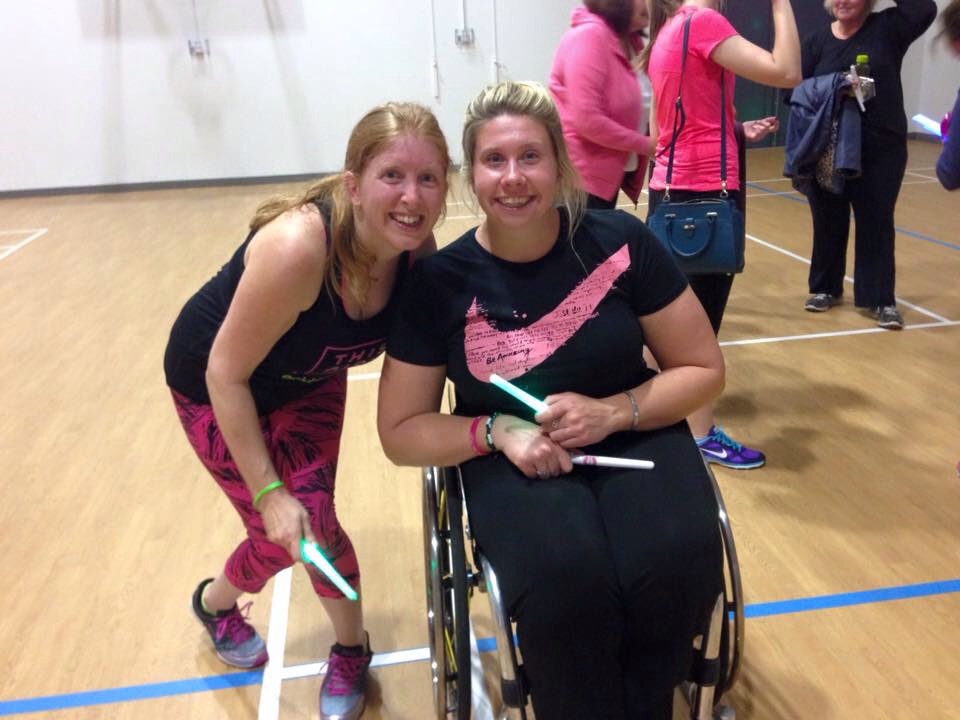
More UK based brands are using me to make them fully inclusive. After all I am a unique specialist with a disability myself.

There are a few brands, mainly one in particular who do not seem to be inclusive at all.
Why is it that Les Mills are one of the leading brands in the world, in millions of gyms, claiming to train up the best instructors, yet they cannot adapt or make modifications where necessary? I have known disabled people be turned away from Les Mills classes or walked out due to the instructor not being able to adapt their content appropriately, as they been trained to deliver the class exactly as it is on the DVD they receive from Les Mills. This is not the instructors fault, but it is a gap in the training supplied by Les Mills to their instructors, as they give no guidance or leadership in how to adapt their class, whether progression or regression, rather, they provide one model which has to be one size fits all.
This in my eyes is not a good ethos to have. A company needs their instructors to welcome everyone to there classes and reflect an open inclusive policy.
When I teach any class including my disabled kids’ classes I can spot instantly if someone cannot do a move or move in a particular way and I adapt on the spot. In my SEN Zumba classes I can adapt in seconds – with no moves planned before hand. I just do it from watching and observing, and using my instructor teaching skills. These skills are the mark of good teaching practise and that’s the crux of it really. Anyone can learn by rote a routine sent out to the multitudes . It then takes someone with confidence to stand in front of a class and deliver those routines. It then takes someone with intuition, common sense , empathy and passion for teaching, to be able to appropriately adapt what was delivered in the box, to go outside the box and deliver to real people who are all individuals and who deserve better than a pseudo video game delivery.
This is not just a good instructor but an exceptional one. I’m not bigging myself up as that’s not me at all but surely an instructor that can adapt and freestyle without thinking is better than those trained to watch and copy a routine?
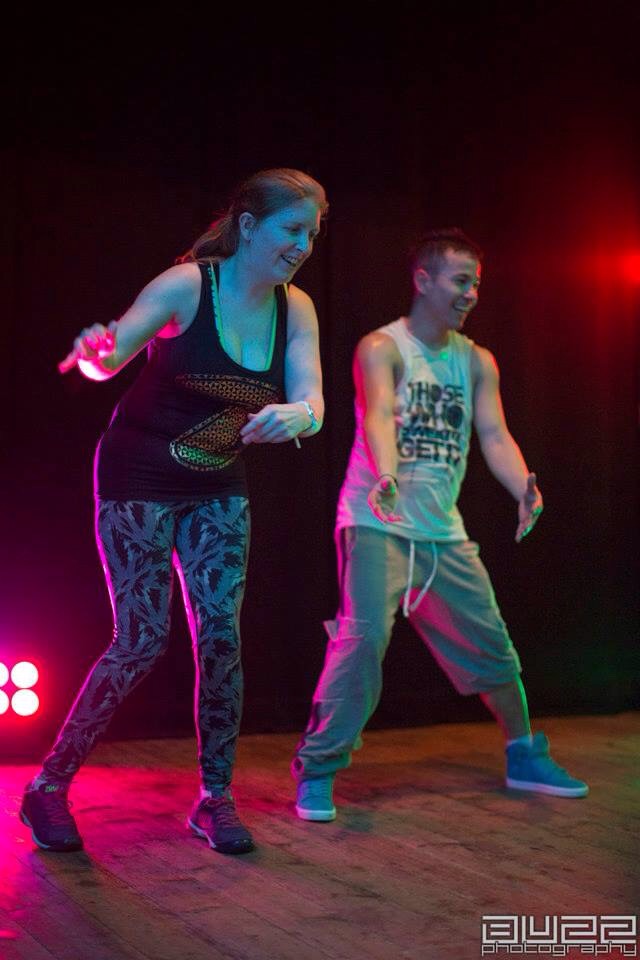
I know some international fitness brands do not think about disability or being inclusive or if they do its just having a few office staff that tick the box.
Zumba® is one if these. Beto designed it for everyone. It’s the one of 2 international brands I know who are fully inclusive and even have disabled instructors. Zumba have so many disabled instructors world wide and many more class participants through the speciality Zumba Gold.

The other company is UK based Clubbercise®. I train up disabled instructors to be licenced Clubbercise® instructors & all Clubbercise instructors have to accept disabled clients at all there classes. And I have worked with them on achieving this with amazing results UK wide.

Society’s attitude towards disability, inclusivity and enablement is changing. The law stands firmly on the side of inclusion. I would like to offer my services to all fitness brands and companies, and in particular Les Mills to help them achieve what should be offered to everyone who wants it – the chance to choose for themselves where, when, with whom and how they take their workouts.
 InclusFit